Battery containers guide
How to choose a battery pack enclosure
A buyer’s guide to battery enclosure dimensions, materials, mounting, cable routing and ingress protection.
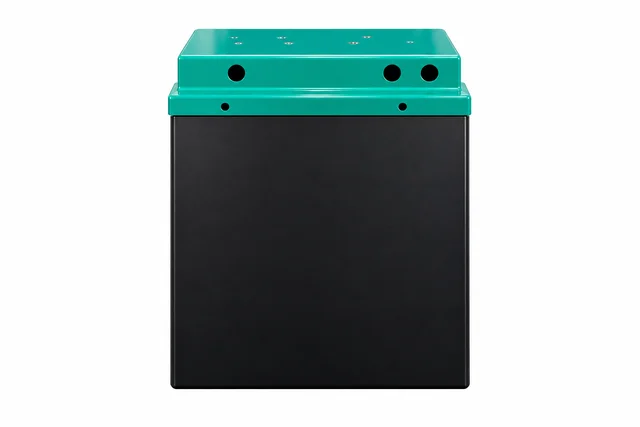
EV enclosures
Housings for mobility packs
Choose a housing around the cell arrangement, available vehicle space, mounting points and connector layout. Confirm dimensions, fittings and protection requirements before ordering.
Browse ev enclosures ↗
Home inverter enclosures
Stationary battery housings
For home inverter and energy storage installations, compare wall-mount or floor placement, cable access, ventilation, service access and the dimensions of your complete pack.
Browse home inverter enclosures ↗What does a battery pack enclosure do?
A battery enclosure supports and protects the pack assembly. It needs room for cells, insulation, the BMS and connectors, as well as a way to secure the complete pack. Vehicle applications also need the mounting design checked against the expected shock and vibration.
How do you measure the right size for a battery box?
Start with the pack drawing and compare usable internal dimensions with external mounting space. Account for connector bodies, cable bend radius, strain relief, fastener access and clearance around the BMS. Ask for a dimensioned drawing before ordering a batch.
What should you check about materials and IP ratings?
Compare metal and engineered plastics for the environment, mounting and thermal needs of the system. Ask whether the ingress protection rating applies to the fully assembled enclosure with its seals and connectors. Confirm how the pack design addresses temperature and service access.