Ready battery packs guide
How to choose a ready battery pack for an EV or inverter
Compare battery voltage, capacity, watt-hours and compatibility before buying a ready pack for a scooter, rickshaw or inverter.
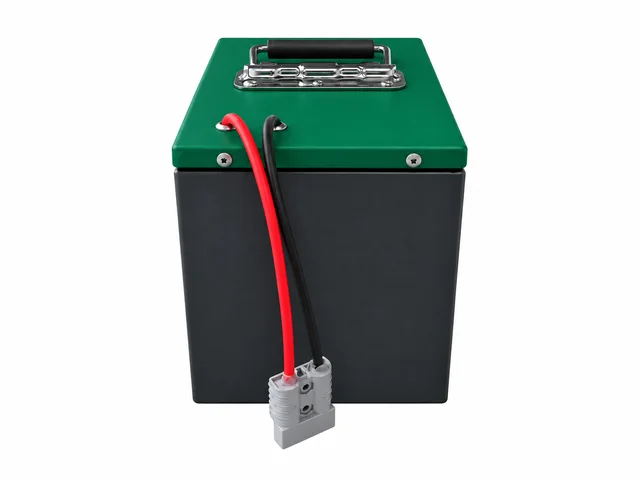
EV batteries
Two-wheelers & e-rickshaws
Browse ready battery packs for mobility applications. Match the voltage, capacity, current rating, charger, connector and vehicle requirements with our team.
Browse ev batteries ↗
Home inverter batteries
Backup power for homes
Choose a battery matched to your inverter, daily backup requirement and installation space. Confirm charging compatibility, usable capacity, BMS and written warranty terms.
Browse home inverter batteries ↗What is the difference between Ah and Wh?
Amp-hours (Ah) describe charge capacity. Watt-hours (Wh) describe energy. For a quick comparison, multiply nominal voltage by Ah. A 48 V, 30 Ah pack has about 1,440 Wh of nominal energy. Usable energy can be lower depending on the operating limits, load and temperature.
What should you check before replacing an EV battery?
Confirm the vehicle controller and charger support the battery’s voltage range and chemistry. Compare the pack’s continuous and peak output to the controller requirements. Check mounting dimensions, connector type and polarity, and any communications requirements with the vehicle supplier.
How do you choose an inverter battery for home backup?
List the loads you need to run and estimate their watt-hours over the required backup time. Account for inverter losses and the usable capacity of the battery. Confirm the inverter supports the battery voltage, charge profile and any required BMS communications before ordering.